
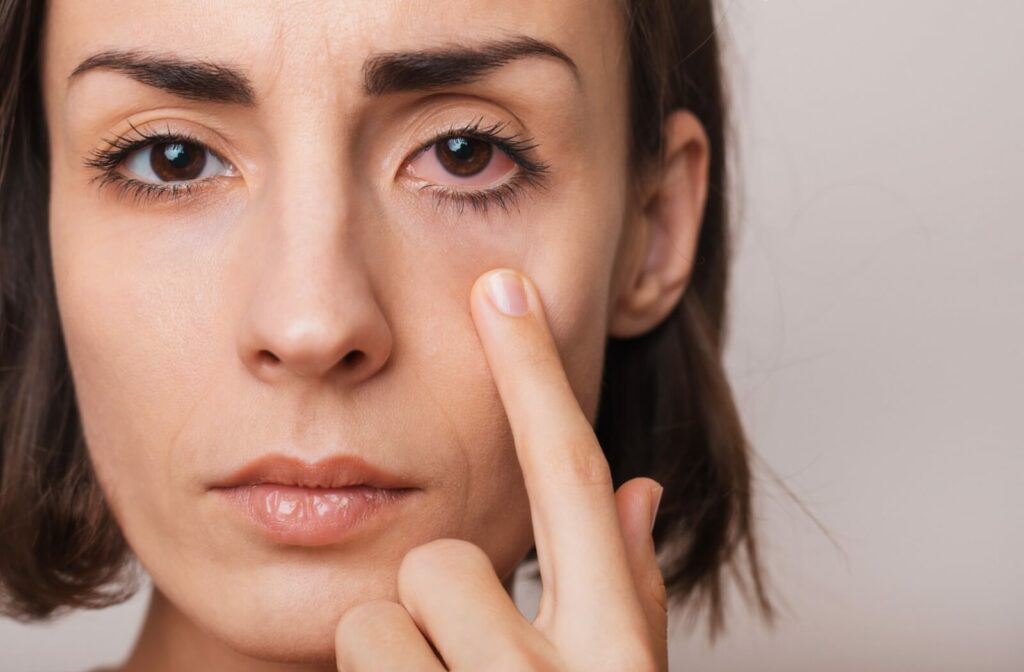
When you wake up with red, scratchy, or watery eyes, your first thought is probably pink eye. It’s a common conclusion, but our team at West Shore Eye Care knows that red eyes can point to several different issues. Getting the right diagnosis is the first step to feeling better, as each condition, from dry eye disease to allergies, requires its own unique care plan.
Several other common eye conditions, such as dry eye disease, allergies, styes, and blepharitis, share symptoms with pink eye and are often mistaken for it. Understanding these possibilities helps you figure out when it is time to get a professional opinion.
Classic Signs of Pink Eye
Pink eye—also known as conjunctivitis—happens when the thin, clear layer that covers the white part of your eye gets inflamed. While symptoms can vary, some common signs point to this condition.
- Redness in the white of the eye
- A gritty or sandy feeling, like something is in your eye
- Scratchiness or burning
- Puffy eyelids
- Discharge that can form a crust overnight
Other Conditions That Look Like Pink Eye
Several other eye issues share symptoms with pink eye, which is why it is so easy to mistake them. Knowing what they are can help you understand your symptoms better.
Dry Eye Disease
Your eyes might feel scratchy, burn, and look red if you have dry eye. Unlike the discharge from pink eye, dry eye symptoms often come with a feeling of dryness or even excessive watering as your eyes try to compensate. An experienced eye doctor in Ludington, MI, can help determine if a personalized dry eye treatment is needed for your discomfort.
Seasonal or Environmental Allergies
If intense itching is your main complaint, allergies could be the culprit. Allergic reactions in the eye often cause significant itchiness, redness, and watery—not thick—discharge. You might also have other allergy symptoms like sneezing or a runny nose, as allergies can affect dry eyes.
A Stye or Chalazion
A stye is a tender, pimple-like bump on the edge of your eyelid from a blocked oil gland. A chalazion is similar but usually not painful. Both can cause the entire eyelid to swell and the eye to look red and irritated, much like pink eye.
Blepharitis
This condition is an inflammation of the eyelids themselves. It can make your eyelids red, swollen, and scratchy. You might also notice flaky, dandruff-like scales on your eyelashes, which can be related to meibomian gland dysfunction, and the eye itself becomes red from the irritation.
How to Spot the Difference at Home
While only an eye care professional can give you a definite diagnosis, you can look for a few clues to help figure out what might be going on before your appointment.
Check Your Eyelids
Look closely at your eyelids. Do you see a distinct, painful bump? That could suggest a stye. Are the edges of your eyelids red and flaky? That points more toward blepharitis.
Note the Itch Factor
Pay attention to how your eye feels. An overwhelmingly itchy feeling—especially in both eyes—is a strong sign of allergies. A gritty, burning, or sandy sensation is more common with pink eye and dry eye.
Look at the Discharge
The type of discharge can also be telling. A thick, yellow, or green fluid often points to bacterial pink eye. Watery discharge is more common with viral pink eye, allergies, or even dry eye.

Why a Professional Diagnosis Matters
Guessing what is wrong with your eye can lead to using the wrong treatment. Using the wrong approach may not help your symptoms and could even make them worse. For example, allergy drops will not fix a bacterial infection, and it’s important to remember that eye exams can detect other health conditions.
An eye care team can perform a thorough examination to identify the true cause of your symptoms. A skilled eye doctor has the right tools for eye disease diagnosis and management to look at your eye health in detail and create a care plan tailored to you.
What to Do for a Red and Uncomfortable Eye
If your eye is red and irritated, a few simple steps can help you stay comfortable while you wait for your appointment. These actions can also help prevent the spread of an infection if it turns out you have conjunctivitis.
- Avoid touching or rubbing your eyes. This can make irritation worse and spread germs. You can find helpful tips on how to stop rubbing your eyes.
- Use a clean, cool compress. Gently place it over your closed eye for a few minutes to soothe discomfort.
- Pause your contact lens use. Stick to glasses until an eye doctor tells you it is safe to wear contacts again.
- Wash your hands often. Make sure to wash your hands thoroughly, especially before and after touching your face.
Don’t Let Red, Irritated Eyes Blur Your Quality of Life
Red, irritated eyes can be disruptive to your daily life. Getting a clear diagnosis means you can get the right support to feel better and see clearly again. Our team at West Shore Eye Care takes the time to understand your concerns and address them with modern techniques and strategies.
If you are struggling with eye discomfort, contact West Shore Eye Care to schedule an examination and get a personalized care plan.