
Life happens, and we all get busy. You may wonder how much time you should set aside for your next eye appointment. You can expect a typical comprehensive eye exam to last about 20–60 minutes.
The total time you spend at the office may vary based on your personal eye care needs and history. For example, if it’s your first time with us at West Shore Eye Care, there may be a few additional minutes of questions to get to know you and your eye health history better.
A General Timeframe for Your Eye Exam
Although 60-70 minutes for a comprehensive dilated exam is a good average, your appointment time can be a little longer or shorter, depending on a few different things. This flexibility helps the team give you the personalized attention you need.
Several factors can affect the length of your visit. These details help create a full picture of your eye health and ensure your eye care team can meet your needs.
- Your status as a new or returning person
- Your personal and family health history
- Any symptoms you currently have
- A need for a contact lens exam
- A need for pupil dilation
What Happens During Your Eye Exam
Your exam is a step-by-step process that checks your vision and overall eye health. Each part of the exam gives your doctor important information that they gather with modern diagnostic technology.
Talk About Your Health History
First, you’ll typically chat with your eye doctor or another member of your eye care team. You’ll go over your medical background and any medications you take. You can also share any vision concerns you may have.
This conversation helps the team understand your needs. It prepares the eye doctor with details about your health before the exam begins.
Run Through Preliminary Tests
Next, you’ll typically complete a few simple opening tests. These quick checks provide essential information about your eye health. These checks often include a few standard procedures. You may have experienced some of them before.
- An eye pressure test that checks for things like glaucoma
- A visual field test to check your side vision
- An autorefractor test that helps estimate your prescription
Check Your Vision and Eye Health
Now it’s time to see the doctor. Your eye doctor will perform more tests to fine-tune your prescription and check your eye health. This further testing is the central part of your comprehensive exam.
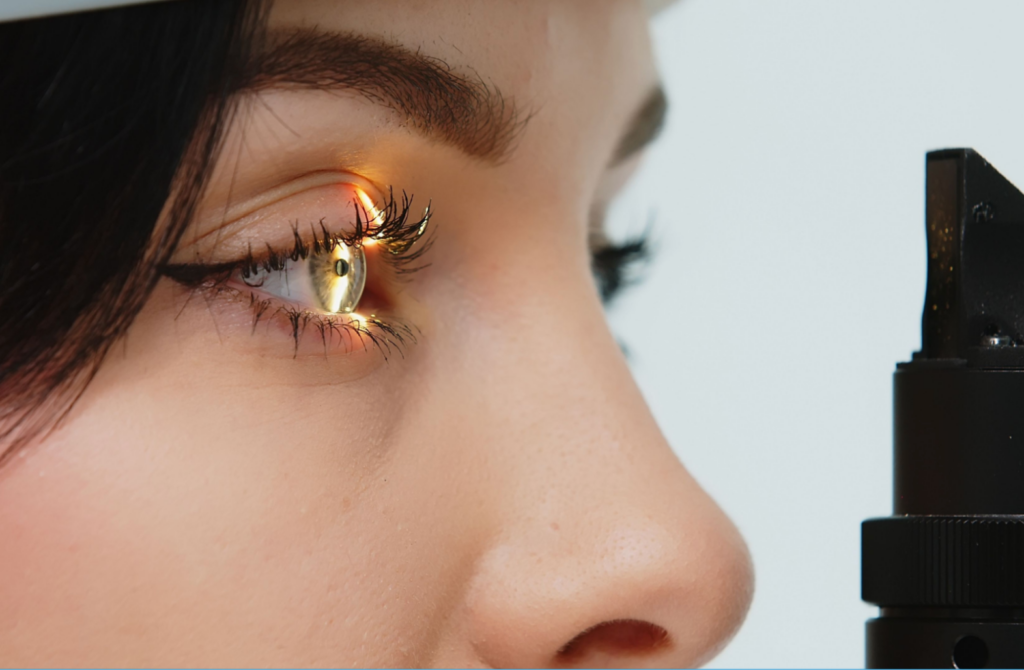
A refraction test is a common additional test your eye doctor may do. It’s where you look through different lenses. You’ll say which lens makes your vision clearer, and the doctor uses a special light to get a close-up look at your eyes.
Eye Dilation and Your Visit
Sometimes, your pupils need to be dilated for a better view of your eyes. Eye dilation is simply the widening of your pupils and is a regular part of many comprehensive eye exams, especially if it’s a diabetic eye exam.
How Dilation Affects Your Exam Time
A wide view of the back of your eye allows your eye doctor to screen for a variety of eye conditions. In many cases, this can be achieved using advanced wide-field imaging technology, such as Optos, which captures a detailed, wide-angle view of the retina and may eliminate the need for dilation drops. When dilation is required, special eye drops are used to widen the pupils, typically taking 20–30 minutes to take effect. Optos retinal imaging is available in our practice for a $39 copay.
This waiting period will add to your total visit time.
What to Do After Dilation
After dilation, your eyes will be sensitive to light for a few hours. It’s a good idea to bring sunglasses for your trip home. This extra eye protection can help you feel more comfortable in bright light.
Your vision might also be blurry for a short time. Because of this, it’s wise to arrange for someone to drive you home from your appointment for your safety if your eye exam includes eye dilation.
Contact Lenses Exams and Fittings
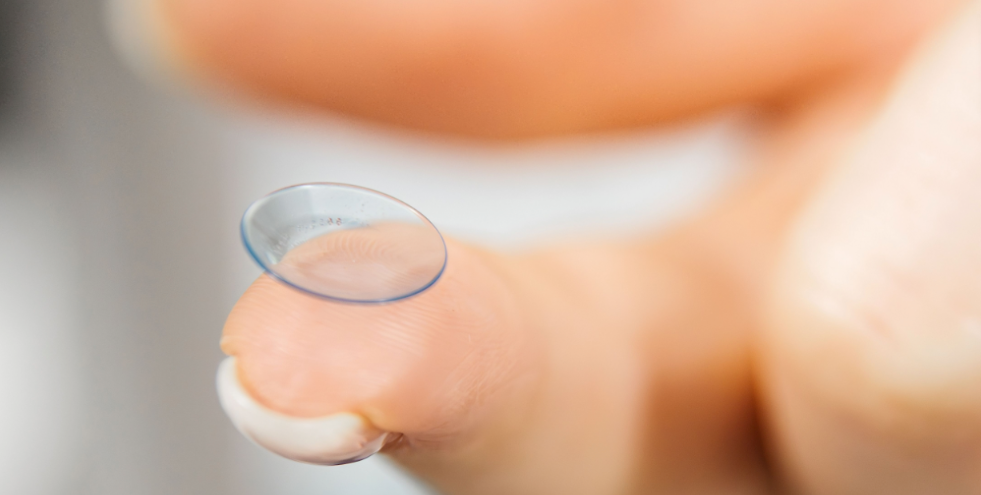
If you wear contact lenses or want to try them, you’ll need a separate contact lens exam. A contact lens exam includes additional testing that the comprehensive eye exam doesn’t cover.
This exam adds more time to your appointment, especially if we are exploring lenses for dry eye syndrome or other conditions. But many find it convenient to get it all done at once rather than in separate appointments.
Your doctor takes special measurements of your eyes during a contact lens exam. These measurements help make sure your contacts fit properly and comfortably. A good fit is vital for both your vision and eye health.
If you’re new to contacts, the team can also show you how to use them. You’ll learn how to put them in, take them out, and follow a proper contact lens care routine.
After Your Exam
Once your exam is complete, the team will help you with the next steps. These steps could include picking out new glasses or ordering contact lenses.
Get Your Glasses
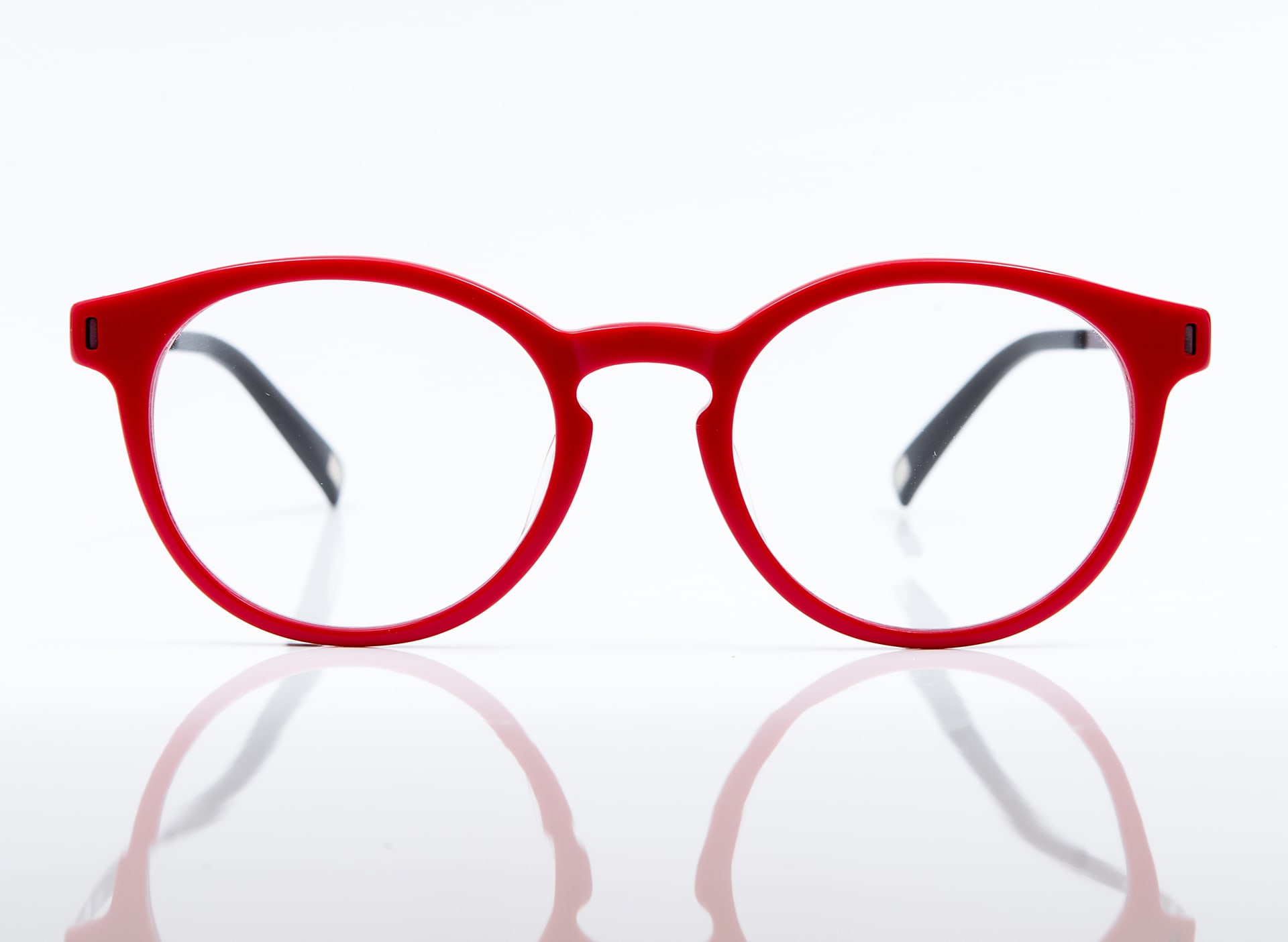
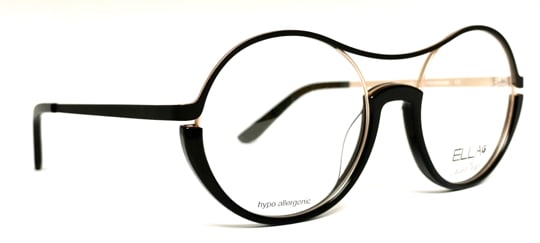
If you need new glasses, our team can help you find frames and lenses that fit your face and your style. When you pick them up, we’ll adjust them to ensure a comfortable fit.
Get Your Contact Lenses
If you’re a new contact lens wearer, you may leave your appointment with a trial pair of lenses. Otherwise, you may be able to simply renew a previous order with your new prescription.
Discuss Your Eye Care Needs with Us Today
Planning for your appointment helps make your visit smooth and straightforward. Setting aside at least an hour can give you plenty of time for a thorough exam without feeling rushed. Regardless of the time, regular visits to your eye doctor are an essential part of your overall health routine.
The team at West Shore Eye Care understands how important it is for you and your family to get the help you need. To schedule your next eye exam, connect with our friendly team today.